
Why I Keep Two Solana Explorer Tabs Open (and Why You Might Want To Too)
Wow!
I keep coming back to Solana explorers when I need clarity and speed. They reveal on-chain behavior faster than many other chains, lately. Initially I thought that all explorers were interchangeable, a mere UI layer over the ledger, but then I dug into transaction traces and realized feature sets and performance differences actually change my workflows. On the Solana side that means you care about block commitment times, failed CPI calls, and the way token metadata is surfaced, which matters when you're debugging a program or auditing token flows.
Really?
My gut reaction after months of hands-on use is simple and a little biased. Some explorers feel sluggish on heavy RPC nodes, while others expose metadata elegantly. On one hand a clean UI makes debugging fast, though actually when you need to trace cross-program invocations it's the depth of the trace that saves hours, not the color scheme. So while I enjoy polished dashboards, what I value more are detailed logs, raw instruction views, and reliable signatures that let me recreate events in a local environment.
Whoa!
Check this out—some typical pain points I run into regularly. Timestamps that don't match your node, missing meta like inner instructions, or truncated stack traces are maddening. Something felt off about transactions labeled as "confirmed" when nearby validators hadn't seen them; my instinct said stop trusting the label and dig deeper, which led me to prefer explorers that surface commitment and cluster health prominently. Actually, wait—let me rephrase that: no single explorer is perfect, and choosing one is often a trade-off between speed, completeness, and how they deal with edge cases like stale RPC responses or rate-limits during NFT mints.
Here's the thing.
In practice I open two tabs: one for quick lookup, another for deep trace. For quick stuff I want near-instant search and readable token transfers. For deep investigations I want program logs, raw instruction data, and an ability to export CSVs or copy stack traces so I can paste them into a debugger or share with a team member, which saves us time during incident response. This matters when you are on a tight timeline—like during a high-value mint or a liquidity migration—because a missing inner instruction can flip your assessment from 'benign' to 'critical' in minutes.
Okay, so check this out—
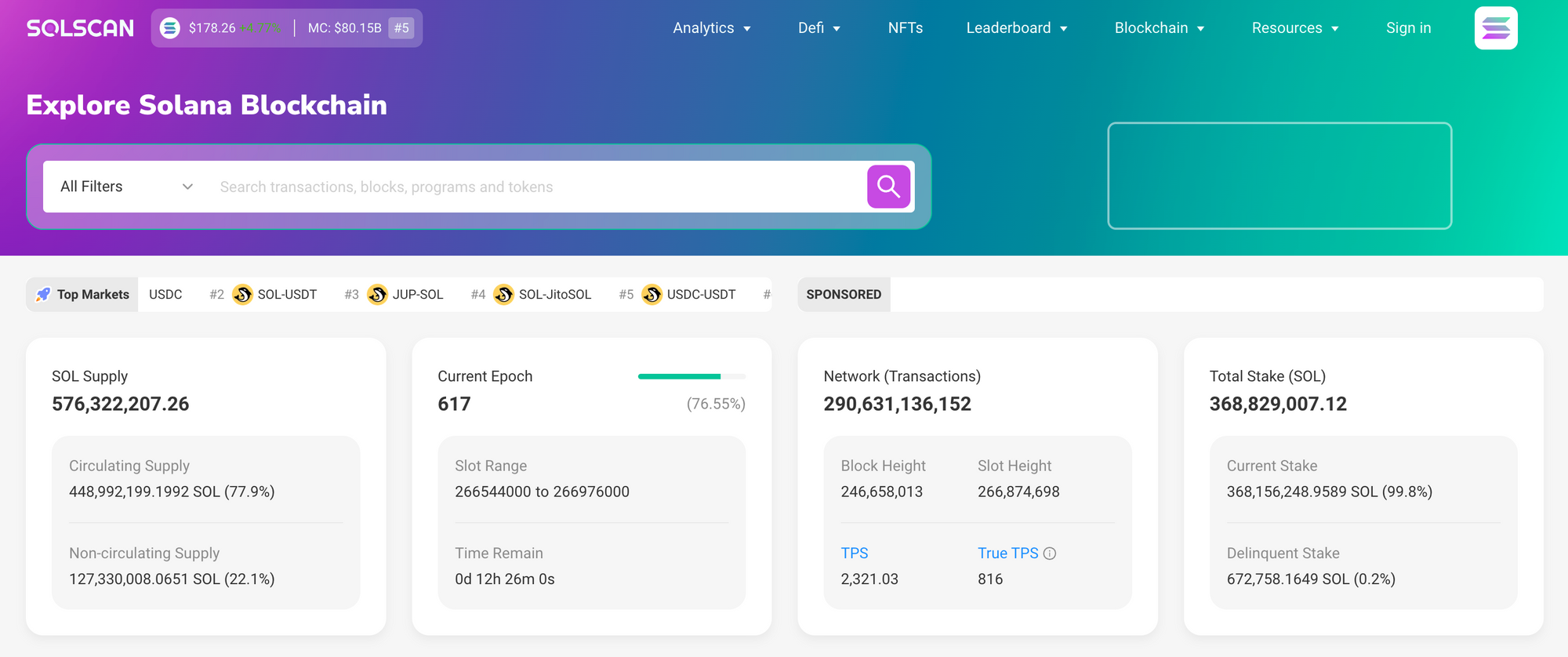
I grabbed a snapshot of a complicated swap gone wrong. The trace shows a failed CPI nested three levels deep. That kind of trace is the exact moment when an explorer either becomes indispensable, by showing what failed and why, or useless, by hiding the inner calls and forcing you to replay everything locally. Check this image for how some explorers present inner instruction stacks versus others that bury them behind toggles, because UI choices can affect debugging speed dramatically.
How I Use solscan in Real Investigations
I'm biased, but when I need both speed and depth I often land on solscan for a first look. It surfaces inner instructions cleanly and highlights token metadata without extra clicks. Initially I thought it was just another explorer, but then I started using its CSV export and found it saved hours during audits, especially when tracking historical token movements across many wallets. On the other hand it's not perfect—rate-limits and occasional RPC inconsistencies still pop up, and sometimes you need to hit a dedicated indexer for full historical reconstructions.
Hmm...
Solana's parallelized runtime means block timing and retries behave differently than EVM, and explorers that understand slot commitment and optimistic confirmations help avoid false positives. Explorers that expose cluster health, skip rates, and confirmation levels reduce the number of wild-goose chases I go on. On one hand you want to trust a 'confirmed' label, though actually understanding the cluster's tip, skipped slots, and fork behavior makes incident triage far more reliable because you can separate transient reorgs from permanent failures. My instinct said focus on indexers that offer historical token owners and program interaction indices, because rebuilding that from raw RPC can be painfully slow and sometimes impossible for older blocks.
Really?
Integration matters: APIs, webhooks, and CSV outputs win my workflow. I use webhooks to trigger alerts and CSVs for batch audits. If your explorer supports simple API keys with clear rate-limits and predictable pagination, it makes automation straightforward, but when endpoints are inconsistent you spend dev cycles dealing with retries and backoffs instead of analyzing anomalies. So yes, pick an explorer that matches your team's tolerance for engineering hassle versus ready-made insights because the wrong one costs time and sometimes money during high-pressure ops.
I'll be honest—
Once I missed a bad mint because my usual explorer showed incomplete metadata. We lost time, and it cost our team credibility with partners. That sting made me re-evaluate tooling and adopt cross-checks: one lightweight explorer for speed and one heavy-duty tool for forensic traces, plus automated alerts for abnormal token flows, which reduced false negatives. I'm not 100% sure this doubles security, but it certainly raised our detection rate and made incident post-mortems cleaner because traces were already preserved.
Something to remember.
No single explorer will magically solve every on-chain mystery for you. Your choices should reflect your operational priorities and tolerance for engineering overhead. On one hand invest time in tools that provide deep traces and exports; on the other hand keep a fast, reliable viewer for quick answers, because that balance shrinks mean-time-to-detect and mean-time-to-recover during incidents. So experiment, keep somethin' in your toolbox for quick lookups and another for deep dives, and don't forget to test your alerting paths during calm times so they're ready when things go sideways.
FAQ
What should I look for in a Solana explorer?
Speed for quick checks, depth for forensic work, and predictable APIs for automation. Also pay attention to inner-instruction visibility and metadata completeness. Oh, and by the way... export features are very very important when you need to share evidence with auditors. If an explorer gives you clear commitment info and cluster health, it saves wasted time chasing phantom issues.
Can one explorer do it all?
No—realistically you use a combination. One for fast lookups, another for deep traces and exports. Initially I wanted one, but experience nudged me toward a multi-tool approach, though actually that approach requires discipline to keep the workflows in sync.